
Menu
- Airdrie Air - Airdrie, Alberta
- Home
- Heating
- Cooling
- Heat Pumps
- 365 Comfort Club
- Commercial
- About

We created this buyer’s guide to help homeowners understand what truly matters in an HVAC installation — beyond just brand names and price. Many comfort issues, premature failures, and unexpected repair costs come from skipped steps, shortcuts, or missing components that aren’t always obvious when comparing proposals. This guide is designed to:
Our goal is simple: to give you the knowledge needed to choose an installation that’s done right the first time, delivers consistent comfort, and performs reliably for years to come.
An informed homeowner makes the best decision — and this guide is here to help you do exactly that.
When comparing installation proposals, it’s important to understand that the quality and the extras of the installation matter far more than the brand name on the equipment. Even the best brand can underperform or fail early if critical installation details are skipped.
What truly determines comfort, efficiency, reliability, and system lifespan is how the system is designed, installed, and protected.
When reviewing proposals, always confirm that the following items are included in your installation. Each plays a key role in performance, safety, and long-term durability. Compare “Apples to Apples” and protect your investment over time:
⇒ Jump to Information ⇐
If a proposal is missing these items, it’s fair to ask what else may be left out that you can’t see — such as proper system setup, airflow balancing, electrical protection, or long-term serviceability.
Not all installations are equal. Looking beyond the brand and understanding these details ensures you’re comparing proposals accurately — and choosing a system built to perform reliably for years to come.




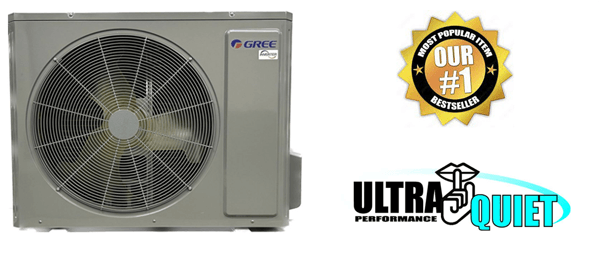
A variable-speed inverter system that delivers more consistent indoor temperatures, takes up less outdoor space, and operates ultra-quietly.
Gree inverter systems offer:
This is why inverter Gree systems have become our #1 seller — not because of the logo, but because they simply perform better where it matters most.

See the Airdrie Air difference!
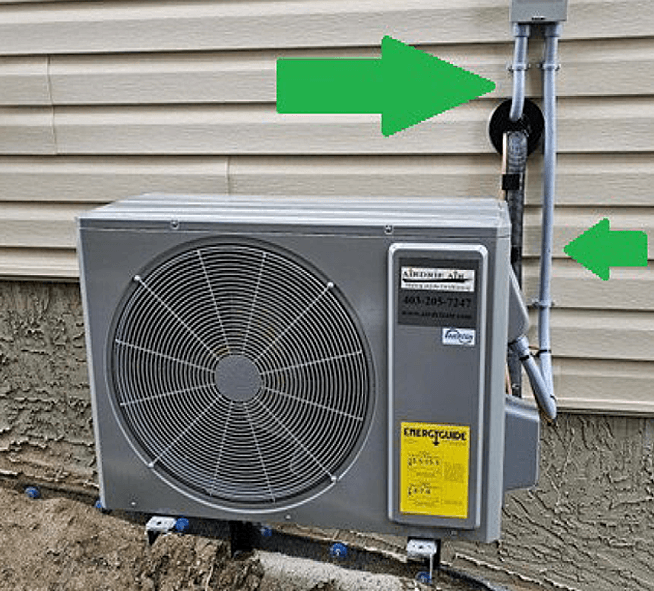
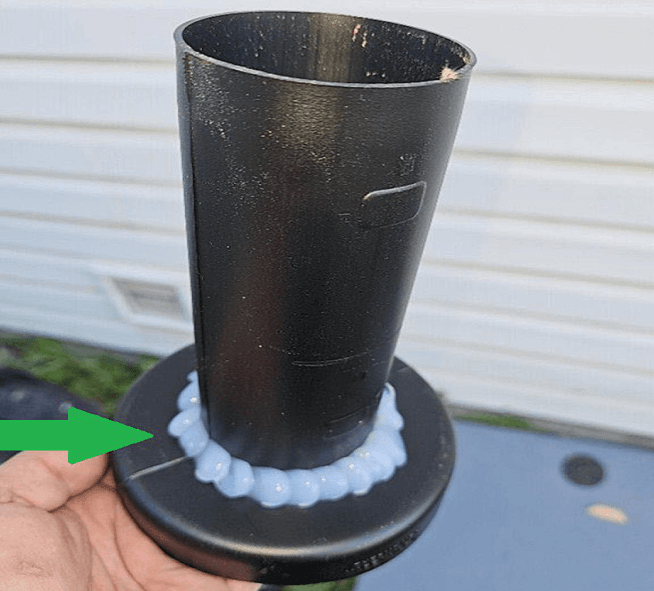
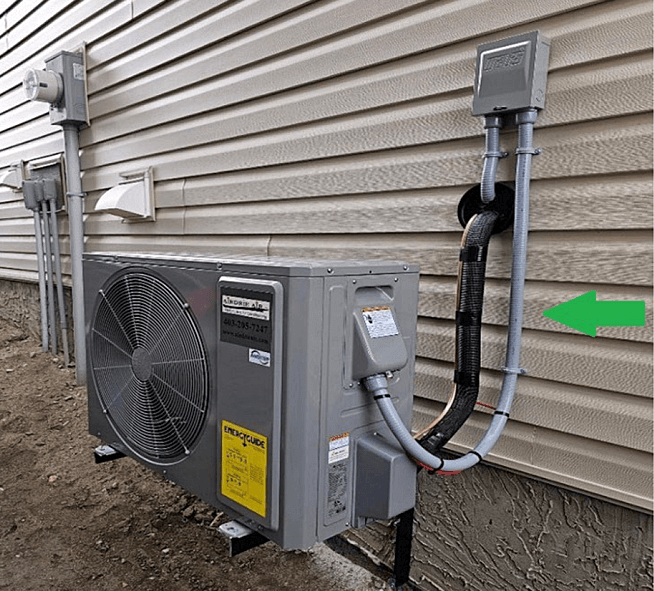
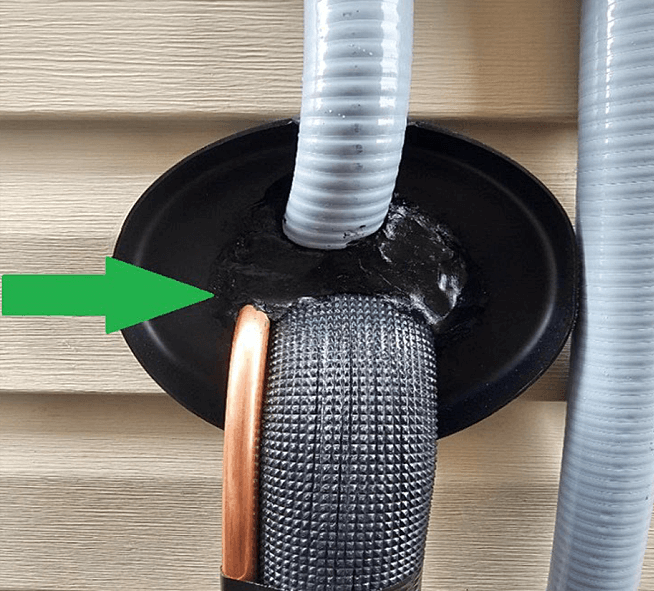
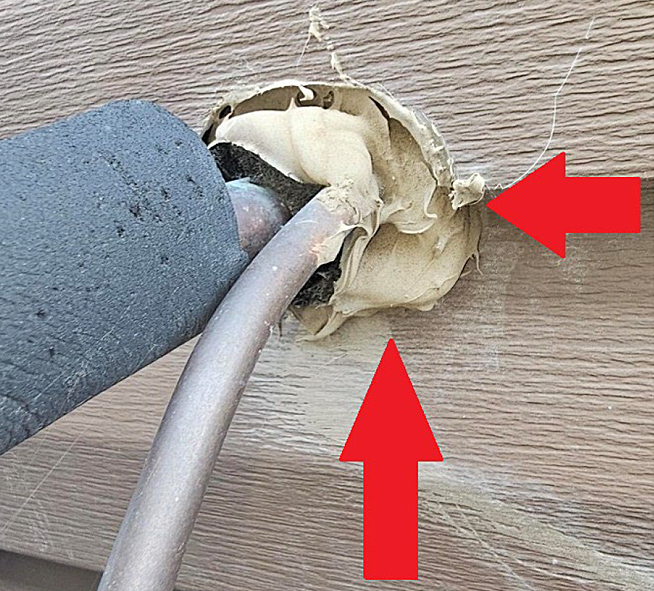
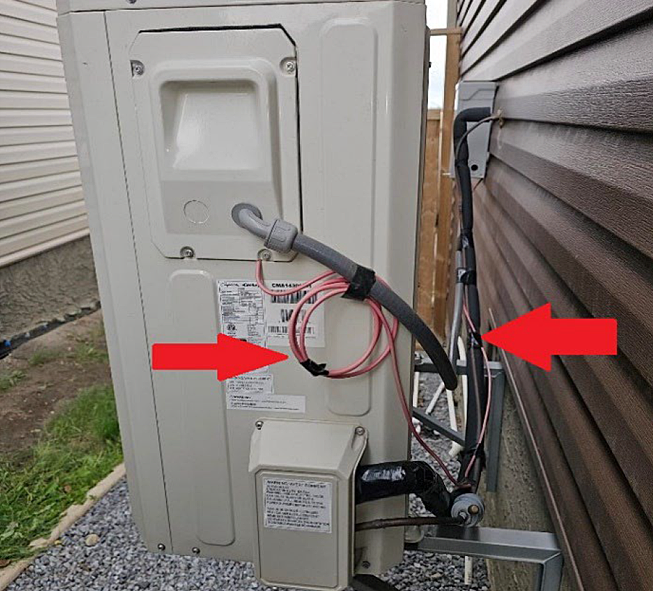
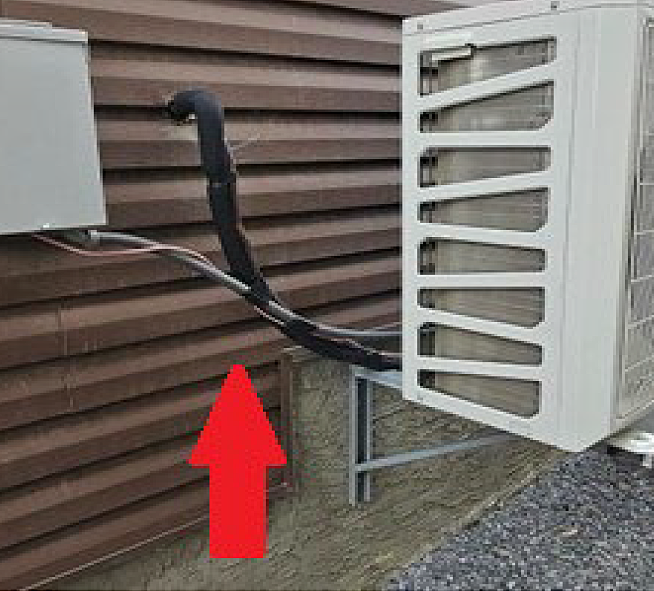
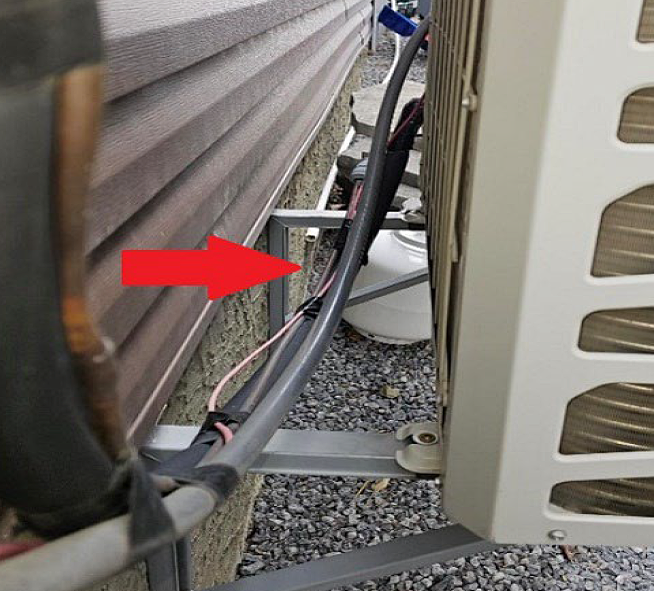
Look at the difference in quality of workmanship. The work appears rushed to finish as quick as possible without considering the quality of the installation.

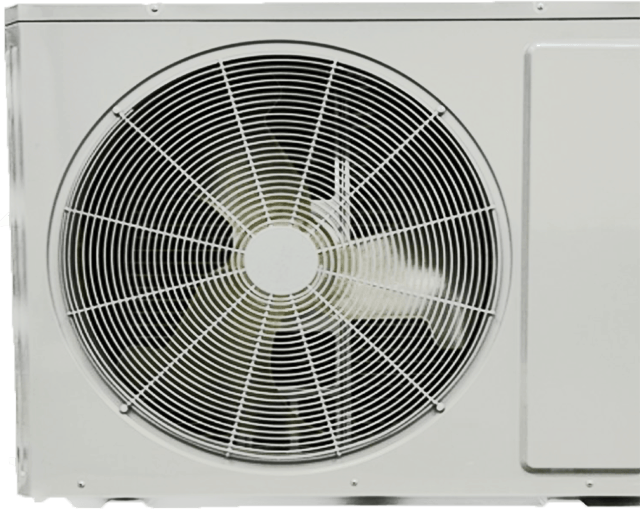
The biggest difference between air conditioners isn’t just brand — it’s how the compressor operates. Inverter systems use advanced technology that allows them to run smarter, quieter, and more efficiently than traditional systems.
1-Stage systems run at 100% or shut off.
2-Stage systems at low or high.
Inverter systems adjust continuously to match your home’s cooling needs.
 Better Energy Efficiency
Inverter systems avoid constant on/off cycling and use only the power needed, reducing energy consumption.
More Consistent Comfort
They run longer at lower speeds, maintaining steady temperatures with fewer hot-cold swings.
Superior Humidity Control
Longer, slower run times remove more moisture from the air, improving comfort on hot days.
Quieter Operation
Inverter systems are significantly quieter indoors and outdoors with smooth, soft starts.
Longer Equipment Life
Reduced electrical and mechanical stress means fewer breakdowns and longer system lifespan.
Better temperature control
Inverter systems automatically adjust compressor speed to match real cooling demand, allowing vents to be adjusted as needed without stressing the system - unlike traditional 1 or 2 stage units.
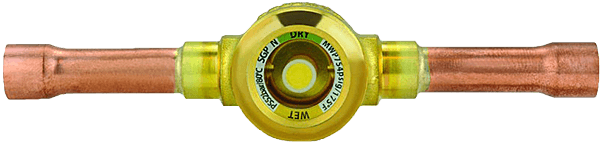
A refrigerant sight glass is a small viewing window installed in the refrigerant line of your air conditioning system. While it’s a simple component, it plays a big role in protecting performance, efficiency, and long-term reliability.
Here’s why having a sight glass matters:
Confirms Proper Refrigerant Charge
The sight glass allows a technician to visually confirm that liquid refrigerant is flowing properly through the system.
Bubbles or flashing can indicate low refrigerant levels or other issues that affect cooling performance.
Early Detection of Problems
A sight glass can quickly reveal problems like refrigerant loss, restrictions, or moisture contamination. Catching
these issues early can prevent compressor damage — one of the most expensive AC repairs.
Helps Protect the Compressor
Air conditioners are designed to run with the correct amount of liquid refrigerant. A sight glass helps ensure the
compressor is not being starved or flooded, both of which can shorten equipment life.
Faster, More Accurate Diagnostics
With a sight glass installed, technicians can diagnose system issues more efficiently without unnecessary
guesswork. This means less time troubleshooting and more accurate service decisions.
Long-Term System Monitoring
Over time, changes visible in the sight glass can indicate developing problems before you notice comfort issues.
This makes routine maintenance more effective and proactive.
While not every AC system includes a sight glass by default, adding one provides an extra layer of visibility and protection for your equipment.
At Airdrie Air, we focus on installing systems that are easy to service, properly charged, and built for long-term reliability — and a refrigerant sight glass is one of those small details that makes a big difference.
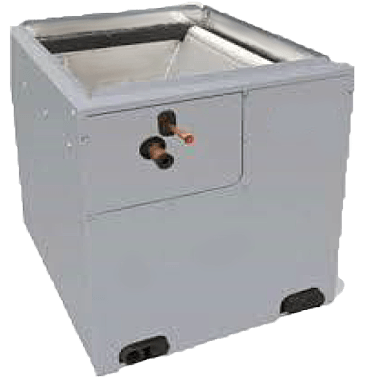
The evaporator coil is the indoor component of your air conditioning system that absorbs heat from your home.
How that coil is installed — cased vs. uncased — has a major impact on performance, efficiency, and long-term reliability.
What’s the Difference?
Proper Airflow & Efficiency
Cased coils are engineered to deliver the correct airflow across the coil surface. Proper airflow means better heat transfer, higher efficiency, and more consistent cooling throughout your home.
Reduced Air Leaks
A factory-sealed cabinet minimizes air leakage around the coil. Uncased coils rely on field workmanship, which can lead to air bypassing the coil — reducing capacity and increasing energy costs.
Better Condensate Drainage
Cased coils are designed with proper drain pans, slopes, and secondary drain protection. Poor drainage on uncased coils can lead to water leaks, rust, or furnace damage.
Improved Moisture & Humidity Control
By controlling airflow and drainage correctly, cased coils remove humidity more effectively — improving comfort and indoor air quality.
Easier Service & Maintenance
Cased coils provide dedicated access panels for inspection and cleaning. Uncased coils often require cutting ductwork, which increases labor costs and reduces serviceability.
Cleaner, Longer-Lasting Equipment
The sealed cabinet helps keep insulation fibers, dust, and debris out of the coil — reducing corrosion and
extending equipment life.
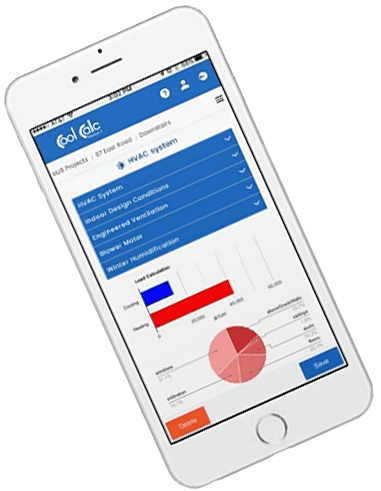
A heat load calculation is the foundation of a properly designed HVAC system. It determines how much heating and cooling your home actually needs — not guesses based on square footage or the size of the old system. Skipping this step is one of the most common reasons homeowners experience comfort problems.
At Airdrie Air Ltd., we design every heating and cooling system to perform when it matters most — during Alberta’s most extreme weather. Our goal is simple: keep your home comfortable no matter what Mother Nature brings.
With today’s advanced inverter air conditioners and variable-speed furnaces, the dynamics for sizing HVAC systems has changed. Older single-stage systems operated at either 0% or 100%, but modern equipment automatically adjusts to match your home’s exact needs. The result is improved efficiency, more consistent temperatures, and better overall comfort year-round.
We also factor in critical details like blower CFM and the number of supply air vents in your home to ensure your system is properly balanced and performs as designed.
Correct System Sizing
A heat load calculation ensures your HVAC system is not oversized or undersized.
Accounts for Your Home’s Actual Details
A proper calculation considers:
Verification of Proper Airflow (Supply & Return Vents)
Counting and evaluating all supply and return air vents ensures the system can actually be sized right with the
amount of air flow it can deliver.
Airflow is just as important as equipment size.
Improved Comfort, Efficiency & Equipment Life
When the system and airflow are designed together:
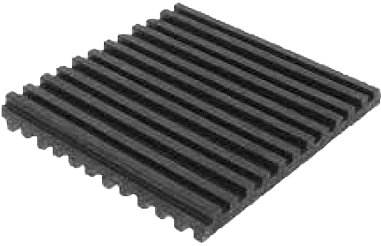
Even when an outdoor AC condensing unit is mounted on wall or ground brackets, rubber isolation pads are still extremely important. Brackets provide support — rubber pads provide protection.
Here’s why both are needed:
Stops Vibration From Transferring Into the House
Bracket-mounted units are physically connected to the building structure. Without rubber isolation, compressor
vibration can travel directly into the wall framing, drywall, and interior rooms. Rubber pads absorb this vibration before it enters the structure.
Reduces Indoor Noise & Rattling
Customers often notice humming, buzzing, or rattling inside the home when units are mounted on brackets without isolation. Rubber pads dramatically reduce these sound issues.
Protects the Brackets & Fasteners
Metal-on-metal contact causes fatigue over time. Rubber pads reduce stress on bracket welds, bolts, and
anchors, helping prevent loosening or premature failure.
Extends Equipment Life
Less vibration means less wear on refrigerant lines, electrical connections, and internal compressor components
— helping the system last longer.
Prevents Structural Damage
Repeated vibration can cause small cracks in siding, stucco, brick, or mounting surfaces. Rubber isolation pads
act as a buffer between the unit and the building.
Compensates for Slight Irregularities
No wall or bracket is perfectly level. Rubber pads help distribute weight evenly and maintain proper unit alignment.
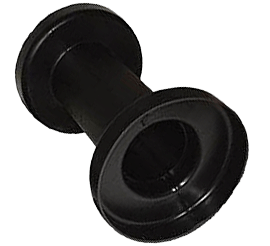
When refrigerant lines and electrical wiring pass through an exterior wall, that opening becomes a direct pathway between indoors and outdoors. A thermo thimble (sealed wall sleeve) is used to properly protect, seal, and insulate that penetration.
Here’s why it’s important:
Prevents Air Leaks & Energy Loss
Without a sleeve, the wall opening can allow hot air in during summer and cold air in during winter. A thermo thimble seals the opening tightly, helping maintain indoor comfort and energy efficiency.
Protects Refrigerant Lines & Wiring
Refrigerant lines can rub against wood, siding, or masonry as the home settles. A thermo thimble creates a smooth, protective barrier that prevents abrasion, damage, and premature refrigerant leaks.
Reduces Condensation & Moisture Problems
Cold refrigerant lines can cause condensation inside wall cavities. A thermo thimble helps isolate and insulate the
lines, reducing the risk of moisture buildup, mold, or hidden water damage.
Keeps Pests & Insects Out
Unsealed wall penetrations are an easy entry point for insects and rodents. A properly installed sleeve and sealant close off those gaps.
Improves Appearance & Finish Quality
Thermo thimbles provide a clean, professional-looking penetration instead of rough holes filled with caulking or
foam.
Allows Proper Sealing — Inside and Outside
The sleeve allows the penetration to be sealed correctly on both the interior and exterior of the wall, ensuring long-term durability rather than a temporary patch.
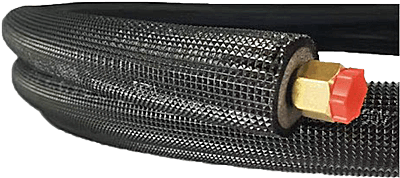
Refrigerant line sets connect your indoor and outdoor AC equipment. How those lines are insulated and protected plays a huge role in efficiency, durability, and long-term appearance.
While traditional black foam insulation has been used for years, polyethylene hard-shell line sets offer major advantages including:
Superior UV Protection
Traditional foam insulation breaks down quickly in sunlight—cracking, flaking, and turning to dust within a few seasons. Polyethylene hard shells are UV-resistant, maintaining their integrity for many years.
Better Moisture Resistance
Foam insulation can absorb moisture once damaged, leading to mold growth, energy loss, and corrosion of the copper lines underneath. Hard-shell insulation is closed-cell and water-resistant, helping keep refrigerant lines dry.
Improved Energy Efficiency
Consistent insulation thickness means less heat gain in summer and better system efficiency. Degraded foam allows heat transfer; hard shells maintain their insulating value long-term.
Increased Physical Protection
Hard-shell line sets protect against impacts, lawn equipment, pets, and foot traffic—things that easily damage soft foam insulation.
Cleaner, Longer-Lasting Appearance
Foam insulation often looks worn and deteriorated within a year or two. Polyethylene hard shells keep a clean, professional look that enhances curb appeal.
Reduced Maintenance & Replacement Costs
Foam insulation frequently needs replacement. Hard-shell line sets drastically reduce maintenance and replacement over the life of the system.
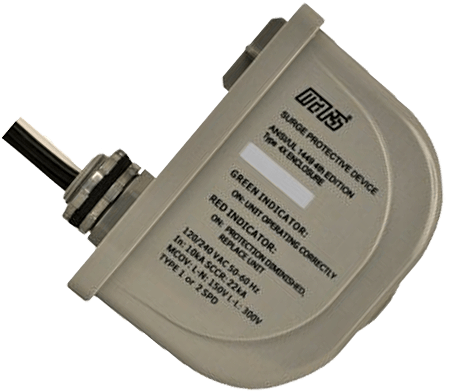
Modern air conditioners rely on sensitive electronic components. Power surges — even small ones — can cause immediate failure or hidden damage that shortens equipment life. Adding surge protection is one of the simplest ways to protect your investment.
Here’s why it matters:
Protects Expensive AC Electronics
Today’s air conditioners use advanced control boards, contactors, relays, variable-speed motors, and communication modules. These components are far more sensitive than older equipment, and a single power surge can damage them, often leading to costly repairs or complete board replacement.
Guards Against Everyday Electrical Surges
Most power surges are not caused by lightning. They commonly occur from:
Surge protection helps absorb these voltage spikes before they reach your Air conditioners electronics.
Helps Protect Manufacturer Warranties
Some AC manufacturers may deny warranty claims if failure is caused by electrical surge damage. Installing surge protection helps demonstrate that the system was properly protected against known electrical risks.
Helps Low Cost Compared to High Repair Bills
A surge protector is inexpensive compared to replacing AC control boards, ECM blower motors, or modules — repairs that can quickly reach hundreds or thousands of dollars.
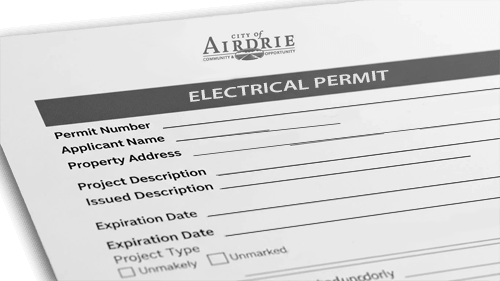
When a new air conditioning system is installed, electrical work is always involved — and in Alberta, that means an electrical permit is required by law.
Pulling an electrical permit isn’t paperwork for the sake of paperwork. It protects your home, your safety, and your investment.
Here’s why it matters:
Safety First
An electrical permit ensures the wiring, breaker sizing, disconnect, and grounding are installed correctly and safely. Improper electrical work can lead to overheating wires, nuisance breaker trips, equipment failure, or even fire hazards.
Independent Inspection
With a permit, a licensed electrical inspector verifies that the installation meets current electrical code. This third-party inspection helps catch issues early and confirms everything was done properly.
Protects Your Warranty & Insurance
Many manufacturers and insurance providers can deny claims if electrical work was completed without a permit. If something ever goes wrong, having a permitted and inspected installation protects you.
Required for Home Sales & Renovations
Unpermitted electrical work can create issues during a home sale or renovation. Inspectors and buyers often request proof that permits were pulled for major equipment like air conditioners.
Code Compliance & Future Proofing
Electrical codes change over time. A permitted installation ensures your system meets today’s standards — not outdated or shortcut methods.
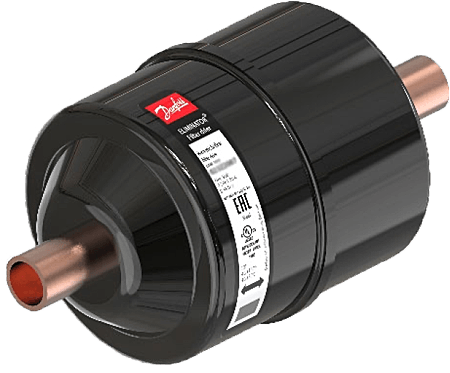
A bi-directional refrigerant filter drier is one of those small components that most homeowners never see—but it plays a huge role in protecting your air conditioning or heat pump system, especially in climates like ours where systems work hard year-round.
A bi-directional filter drier is installed in the refrigerant line and is designed to:
Moisture is a system killer. If moisture gets into your system, it can cause:
It Matters More on Heat Pumps. Unlike a standard AC system that only cools, a heat pump reverses refrigerant flow:
A bi-directional drier protects your system in BOTH modes, all year long.
Some installers cut corners by not installing a dryer at all This can lead to early system failure, poor performance, and costly repairs.
A filter drier is your first line of defense against all of the above. “Your compressor is the heart of your system. A bi-directional filter drier is like the kidney — it keeps everything clean. Without it working properly in both directions, you're risking the most expensive part of your system.”
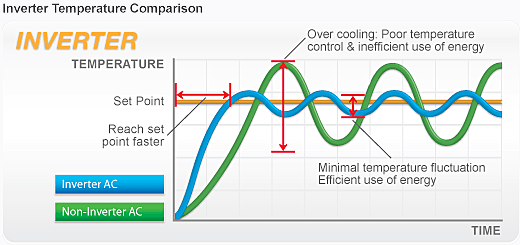
While many well-known brands build good equipment, real comfort comes down to technology and how the system performs in real homes. That’s why inverter Gree systems consistently outperform traditional 1 and 2 stage air conditioners.
Better Temperature Control & Airflow Flexibility:
Gree inverter systems automatically adjust output to match airflow changes. This allows supply vents to be
adjusted to push cool air to upper floors or hard-to-reach rooms without stressing the system. The unit ramps up or down as needed for better overall comfort.
Traditional AC Systems:
1 and 2 stage systems operate at fixed capacities. Closing too many vents reduces airflow while cooling output stays the same, often causing the evaporator coil to freeze. When it thaws, water can overflow onto the furnace and floor.
Takes Up Far Less Yard Space
Slim, compact outdoor design that uses minimal space along the side of the home, leaving proper clearance for access, maintenance, and emergency pathways.
Traditional AC Systems:
Typically large (often around 3' × 3'), leaving little usable space and making it difficult to move around the unit or
even pass with lawn equipment.
Ultra-Quiet Operation
Operates around 56 dB (2 ton), making it extremely quiet — even at night, most homeowners and neighbors don’t notice it running. (4 times quieter than a standard AC).
Traditional AC Systems:
Commonly operate in the 71–74 dB range, which is dramatically louder and often noticeable indoors and outdoors.
Saves Money on Mild Alberta Days
Inverter technology allows the system to modulate smoothly, using only the power needed. This reduces short cycling and lowers electrical consumption during mild or fluctuating temperatures.
Traditional AC Systems:
Go from 0 to 100% every time they start. On mild days, this leads to frequent cycling, higher energy use, and less consistent comfort.
Two Systems in One
While currently sold as an air conditioner, the system is also a heat pump. Most homeowners don’t activate heating mode because of lower natural gas prices, but if energy costs rise in the future, the heat pump can be enabled — giving you cooling and heating in one system.
Traditional AC Systems:
Cooling only. They can never provide heat.
At Airdrie Air Ltd., we don’t just install heating and cooling systems — we deliver comfort, accountability, and long-term peace of mind.
Here’s what sets us apart:
BOTTOM LINE:
We do things right, we stand behind our work, and we’re here long after the installation is complete.
